










Plant Care Made Easy
Simple guides • Step-by-step care tips • Watering schedules • Light & humidity advice
Plant-Care
Care Category
Watering & Feeding
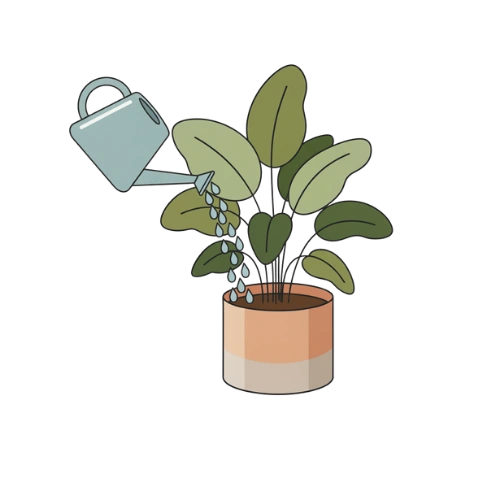
Learn the right watering schedule for each plant in your home.
Light & Placement
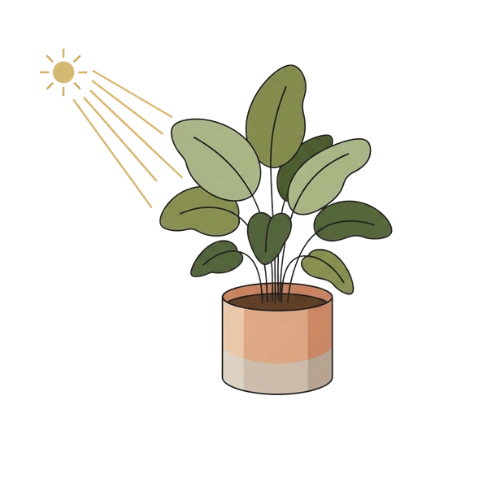
Discover the best sunlight conditions to help your plants thrive.
Repotting & Soil
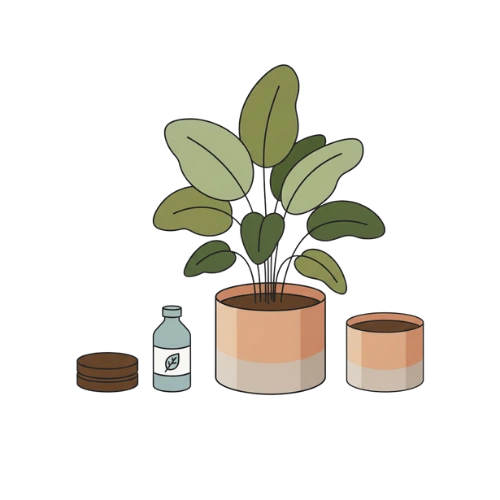
Know when to repot and which soil mix your plant needs.
Growth & Health
Spot issues early and maintain long-term plant health easily.
Quick Start Guide
Check Your Plant’s Light Needs
Follow the Weekly Watering Plan
Add Nutrition & Repot Yearly
Having Plant Problems? Diagnose Your Issue
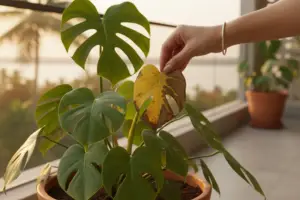
Yellow Leaves
Why it happens:
Yellow leaves usually mean your plant is either overwatered, getting low light, or lacking essential nutrients.
Quick Fix:
Reduce watering frequency
Move to bright indirect light
Add a mild liquid fertilizer once every 15 days
Tip:
Trim old yellow leaves they won’t turn green again.
Slow Growth
Why it happens:
Slow growth is often due to low sunlight, poor soil, or lack of nutrition.
Quick Fix:
Place the plant where it gets longer/stronger light
Repot into a fresh, well-draining soil mix
Feed with a balanced NPK fertilizer monthly
Tip:
Growth naturally slows during winters that’s normal.
Brown Tips
Why it happens:
Brown leaf tips usually signal underwatering, low humidity, or salt buildup in the soil.
Quick Fix:
Water more consistently
Mist the leaves or keep a humidity tray
Flush soil with clean water once a month to remove salts
Tip:
Cut only the brown part keeping the leaf shape intact.
Drooping Plant
Why it happens:
Drooping leaves indicate stress usually from improper watering or sudden temperature changes.
Quick Fix:
Check soil moisture (dry = water; soggy = wait)
Keep away from AC direct air
Move to stable, bright indirect light
Tip:
Most drooping plants recover within 24–48 hours after correction.
Watering Schedule Chart
| Plant Type | Watering Frequency | Light Requirement | Extra Tips |
|---|---|---|---|
|
Indoor Tropical Plants (Monsteras, Areca Palm, ZZ Plant) |
Every 5–7 days | Bright indirect light | Let topsoil dry 2 inches. Wipe leaves weekly for better breathing. |
| Succulents & Cacti | Every 10–14 days | Full sun / bright light | Avoid misting. Use fast-draining soil. Overwatering kills faster than underwatering. |
|
Table-Top Indoor Plants (Pothos, Syngonium, Spider Plant) |
Every 4–6 days | Medium to low light | Rotate pot weekly for even growth. Clean leaves once a month. |
|
Outdoor Flowering Plants (Hibiscus, Rose, Bougainvillea) |
Every 1–2 days | Direct sunlight (4–6 hrs) | Add fertilizer every 15 days. Remove dead flowers to boost blooms. |
| Ferns & Moisture-Loving Plants | Every 2–3 days | Low to medium indirect light | Keep soil evenly moist. Mist leaves often to maintain humidity. |
| Snake Plant & Low-Light Plants | Every 10–12 days | Low to bright indirect | Thrives on neglect. Ensure pot has strong drainage. |
|
Large Indoor Floor Plants (Fiddle Leaf Fig, Rubber Plant) |
Every 7–10 days | Bright indirect light | Don’t move frequently; they hate position changes. Clean leaves with a damp cloth. |
| Balcony / Semi-Outdoor Plants | Every 3–5 days | Partial shade / filtered sun | Heat increases water loss—monitor soil in summer. Protect from harsh afternoon sun. |
Light Requirements
Full Sun
6–8 hours of direct sunlight. Best for outdoor plants, succulents, flowering plants.
Bright Indirect Light
Strong natural light but no harsh direct sun. Perfect for most indoor plants.
Partial Shade
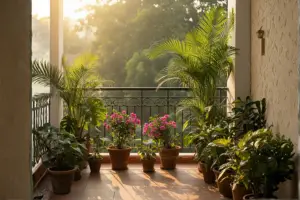
Filtered light for a few hours + gentle shade rest of the day. Ideal for balconies plants.
Low Light Friendly
Can survive in minimal natural light. Works in corners, hallways, offices rooms.
Pest Control & Plant Health
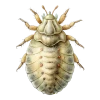
Mealybugs
Symptoms:
White cotton-like clusters forming on stems, leaf joints, and new growth. Leaves may appear weak or sticky due to honeydew residue, attracting ants.
Fix:
Clean infested areas using a neem-oil and water solution. Repeat every few days until pests disappear. Keep the plant isolated to avoid spreading.
Pro Tip:
Avoid spraying oils during intense afternoon sunlight.
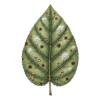
Fungus
Symptoms:
White powdery coating, circular leaf spots, or moldy soil patches. Affected plants may show slower growth, drooping leaves, or reduced shine.
Fix:
Reduce watering immediately to limit moisture. Improve ventilation by spacing plants properly. Remove damaged leaves and apply a light fungicide if required.
Pro Tip:
Let the top layer of soil dry between every watering
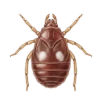
Spider Mites
Symptoms:
Tiny red mites, fine webbing beneath leaves, and yellow dotted patches on foliage. Leaves may curl or look dusty because mites feed on plant sap.
Fix:
Rinse leaves thoroughly to remove mites. Apply neem spray twice weekly for control. Maintain higher humidity since mites thrive in dry air.
Pro Tip:
Check the undersides of leaves weekly to detect mites early.
Monthly Plant Care
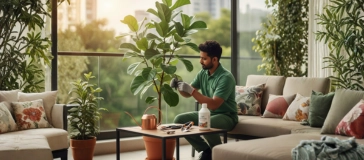
Our team visits your home or office every month to maintain your plants, prune them, fertilize, and ensure they grow beautifully.
Corporate AMC
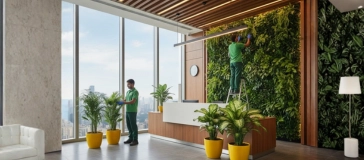
Complete plant care for offices: green wall maintenance, lobby plants, desk plants, and premium plant leasing.
Landscape Maintenance
Perfect for large outdoor areas lawn care, trimming, seasonal fertilizing, pest control & full garden management.
faq
1.How often should I water my plants?
2. What is the best soil mix for healthy plants?
3. What is the difference between indoor and outdoor plant care?
4. How do I fix yellow leaves on my plant?
5. How often should I use fertilizers?
6. How do I know if my plant needs repotting?
7. Why is my plant drooping even after watering?
8. Do indoor plants purify air?
Indoor plants help reduce VOCs, increase humidity, and improve well-being but they work best in clusters, not individually.
Plants like Areca Palm, Peace Lily, Money Plant, Snake Plant are excellent air improvers.
Get a Plant Care Plan for Your Space
Tell us a few details and our Plant Care expert will share a tailored plan with budget options within 24 hours.

